Zimbabwe and Angola have agreed to elevate their Joint Permanent Commission on Cooperation (JPCC) to a Bi-National Commission (BNC), signaling their commitment to strengthening economic and political ties. This decision was made during the second session of the JPCC, held in Luanda, Angola, from May 13 to 16, 2024. The meeting resulted in the signing of ten Memoranda of Understanding (MoUs), highlighting the nations’ dedication to deepening their cooperation. To further boost trade relations, Zimbabwe has invited Angolan businesspeople to participate in the upcoming Zimbabwe Agricultural Show, while Angola has invited Zimbabwe to the annual Feira International de Luanda (FILDA) exhibition in July. These developments represent a significant step forward in the collaborative efforts of both countries, fostering greater economic and political engagement.
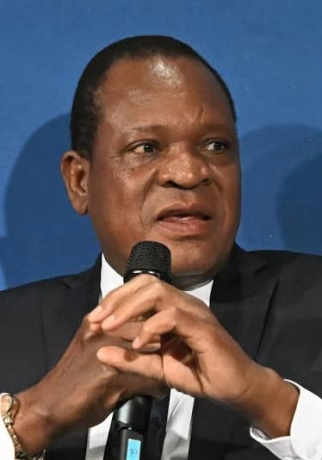
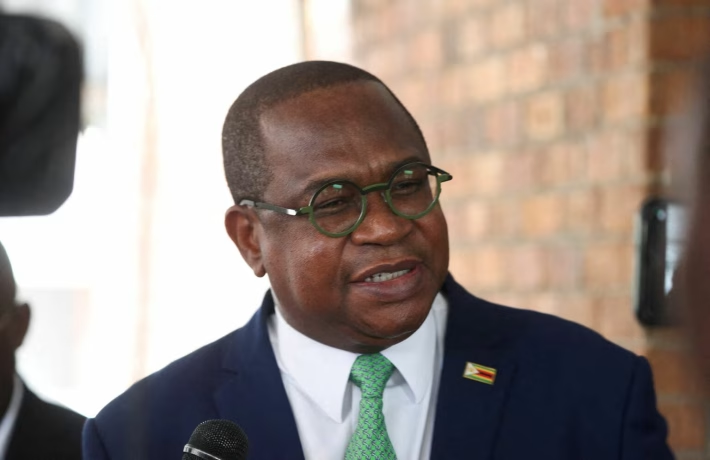
The MoUs signed by Zimbabwe and Angola cover various fields, including agriculture, higher education, justice, and housing, and mark a significant milestone in their relations, coming 32 years after their last meeting. The JPCC was attended by senior officials from both countries, including Zimbabwe’s Foreign Affairs and International Trade Minister, Ambassador Frederick Shava, and Angola’s External Relations Minister, Tete Antonio. Ambassador Shava emphasized that the excellent bilateral relations between Zimbabwe and Angola justify further entrenching their relationship through stronger economic cooperation.
Zimbabwe and Angola share strong historical ties that date back to their fight for liberation from colonial rule, with Angola providing invaluable support to Zimbabwe. These ties have been cemented with the JPCC, leading to the signing of the MoUs. After Angola gained independence in 1975, former President Neto provided sanctuary to Zimbabwean freedom fighters despite facing its own challenges, including interference from hostile foreign forces. This gesture of support has continued to flourish, culminating in the establishment of the JPCC between the two countries.
Both nations have a history of supporting each other in various international forums, taking common positions to promote peace, security, and industrialization in the region. Angola’s support for Zimbabwe during its tenure as SADC Chair has been invaluable, particularly in advocating for the removal of sanctions imposed on Zimbabwe. During the JPCC deliberations, Minister Tete congratulated Zimbabwe on its peaceful general elections held in August last year, won by ZANU PF and President Mnangagwa. He also commended Zimbabwe’s efforts to promote socio-economic development and condemned the continued sanctions imposed on Zimbabwe by the West, particularly the United States.
These developments underscore the deepening economic and political relations between Zimbabwe and Angola, as both nations look to build on their historical ties and foster greater cooperation for mutual benefit.