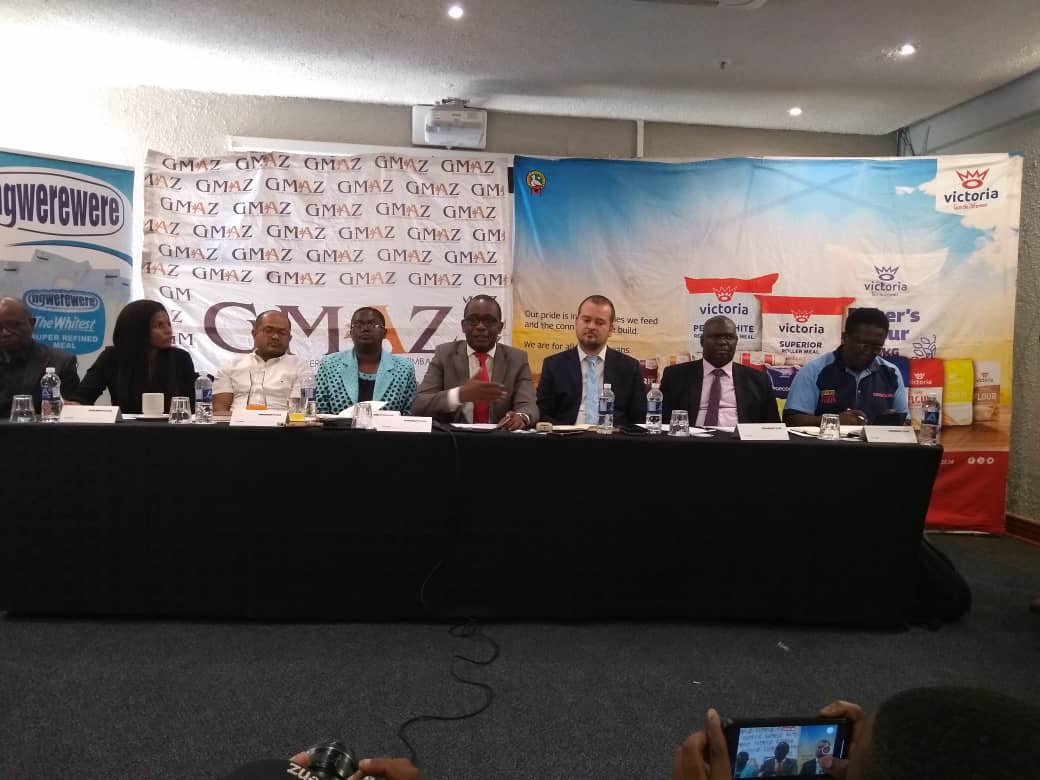
In response to the ongoing drought crisis and its severe impact on food security, the Grain Millers’ Association of Zimbabwe (GMAZ) has released a comprehensive masterplan aimed at ensuring the availability and affordability of grain products for the country. The plan, announced in a recent statement by GMAZ, outlines various strategies to address the challenges posed by the drought period ending July 31, 2025.
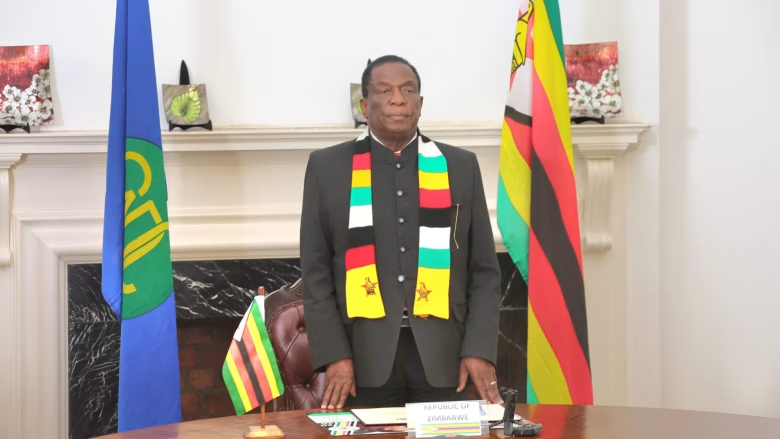
The 2023-2024 agricultural season was declared a State of National Disaster by His Excellency President Dr. Mnangagwa due to the adverse effects of El Niño-induced weather patterns. This declaration came after significant portions of planted maize and other cereals were devastated by heat and low rainfall, leading to a food deficit affecting millions of households across Zimbabwe.
Recognizing the urgency of the situation, GMAZ has been proactive in seeking solutions to mitigate the impact of the crisis. The association represents 144 grain milling companies of all sizes, with an annual turnover exceeding USD 1.3 billion. Since 2018, GMAZ has collaborated with the government to promote local crop production, with a particular focus on maize and wheat.
One of the key initiatives outlined in the masterplan is the importation of grain from multiple source countries, including Brazil, Mexico, Russia, Argentina, and the United States. This diversification aims to reduce reliance on any single market and mitigate risks associated with global geopolitical instability. GMAZ plans to import approximately 1.4 million metric tonnes of maize by July 30, 2024, through various ports, ensuring adequate supply across the country.
Furthermore, GMAZ emphasizes the importance of supporting local farmers and industries. The association welcomes the government’s producer price of USD 390 per metric tonne for maize and pledges to uphold these prices, ensuring fair compensation for farmers. Additionally, GMAZ members have committed to distributing maize meal products to rural areas, following a similar model to the distribution of bread and beverages.
Despite these efforts, GMAZ faces challenges from misinformation spread by certain individuals regarding the safety of its products. Rutendo Matinyarare, in particular, has made false and malicious allegations against GMAZ members, claiming their products cause cancer, HIV/AIDS, and other health issues. GMAZ has taken legal action against Matinyarare and remains steadfast in defending the integrity of its products.
In terms of currency stability, GMAZ has embraced the Zimbabwe Investment Gold Currency (ZiG) as a means of facilitating transactions and stabilizing prices. The association acknowledges the positive impact of ZiG on the grain market and reaffirms its support for the currency.
As Zimbabwe continues to grapple with the effects of the drought, GMAZ remains committed to ensuring the availability and affordability of grain products for all citizens. Through collaboration with government, farmers, and other stakeholders, the association aims to navigate the current crisis and build a more resilient food system for the future.