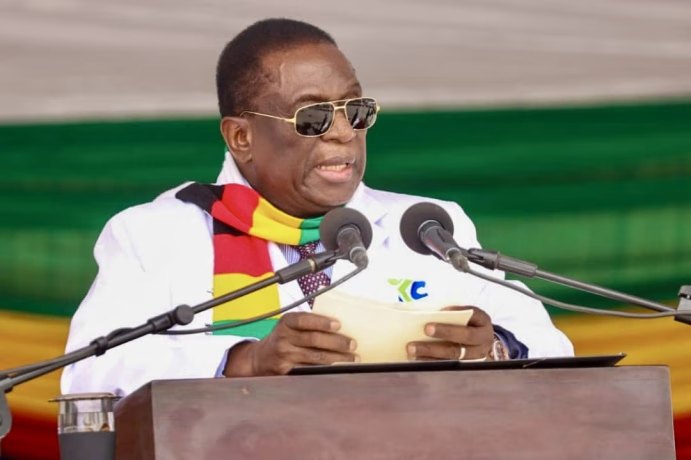
The government continues to prioritise Binga Development initiatives as part of the Second Republic led by President Emmerson Mnangagwa’s clarion call to address infrastructure and socio-economic gaps in Binga District, Matabeleland North Province.
President Mnangagwa lamented the infrastructure deficit in Binga his address at a Star Rally at Siabuwa Growth Point on 19 March 2022. He committed to develop the area. The commitment has come to fruition as the district now boasts of a number of completed projects
Minister of State for Presidential Affairs, Honourable Lovemore Matuke presented the Special Report on the Implementation of Binga Development Initiatives to cabinet this Tuesday.
“The following are some of the major projects that have been undertaken in Binga District: the rehabilitation of Lubimbi-Mswazi road; the rehabilitation of the Binga Airstrip; the refurbishment of the Binga District Hospital mortuary; the rehabilitation of the Binga Hospital Mothers’ Shelter; establishment of the Twasumpuka Community Radio Station; the rehabilitation of Binga Craft Centre; installation of an electricity transformer at Manjolo; installation of internet connectivity at Binga High School to facilitate e-learning; establishment of the Binga Border Post; Senior Appointments in Government; Issuance of national identification documents; and delivery of fishing rigs”, said Honourable Matuke.
The twenty-one identified and completed development initiatives are in line with the National Development Strategy 1 and the mantra of leaving no one and no place behind towards the attainment of Vision 2030.
Binga has been underdeveloped for quite some time and the coming in of the Second Republic has brought smiles to the citizens in the part of the country.
Government has ramped up efforts to accelerate some of the outstanding projects.
Binga now boasts of among others, employment creation; correct information dissemination in local languages on development programmes and projects implemented by the Second Republic; improved road trafficability and water supply for domestic, industrial and agricultural use; as well as improved food and nutrition security; and enhanced social services.
Cabinet also considered and approved the Tourism Amendment Bill, which was presented by the Minister of Tourism and Hospitality Industry, Honourable B. Rwodzi.
The Bill seeks to ensure that Zimbabweans benefit from local tourism resources in fulfilment of Section 13 of the Constitution of Zimbabwe which provides for national development inclusive of the marginalised areas of the country. The Bill will also incorporate the principles of public administration and leadership set out in the Constitution and the Public Entities and Corporate Governance Act.