ZIMBABWE has become a full member of the International Energy Forum (IEF), with the organisation immediately declaring that it will work with Harare on the energy transition and exploring how it can expand the electricity grid to integrate new baseload and renewable energy sources.
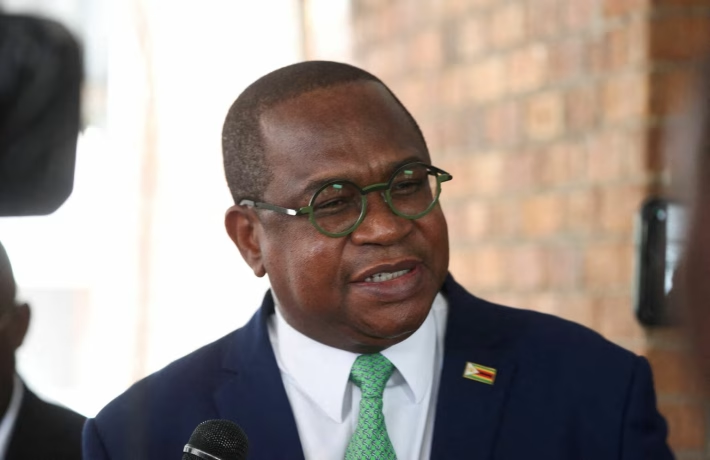
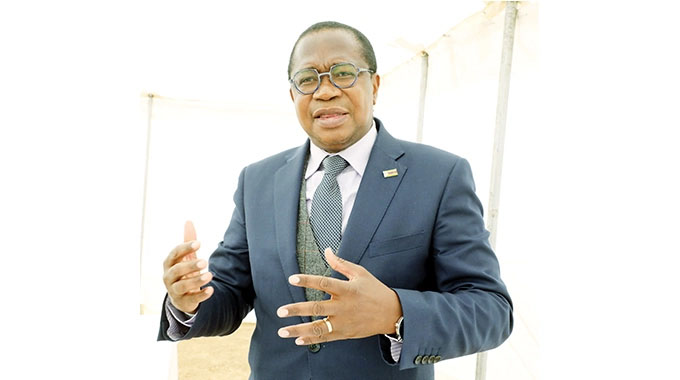
The announcement was made in Riyadh, Saudi Arabia yesterday where Finance, Economic Development and Investment Promotion Minister Professor Mthuli Ncube participated in a signing ceremony.
“Zimbabwe is pleased to join the International Energy Forum to promote dialogue with fellow members on pressing energy issues.
“Closer collaboration with the top actors in the global energy market is of great value to Zimbabwe as we seek to reduce energy poverty and enhance energy security, while facing up to the challenges caused by price inflation, climate change and geopolitical uncertainty,” said Prof Ncube.
IEF secretary general Mr Joseph McMonigle said: “The IEF is pleased to welcome Zimbabwe as a full member, bringing our community of African members to 23 countries.
“The IEF is committed to ensuring that Zimbabwe’s and Africa’s voices are heard in the global energy dialogue, especially the urgent need to scale up the supply of reliable and affordable energy to eradicate energy poverty, which is a prerequisite for development.
“We also look forward to collaborating with Zimbabwe on the energy transition, exploring how it can expand the electricity grid to integrate new baseload and renewable energy sources.”
President Mnangagwa visited Saudi Arabia in November last year for the Saudi-Africa Summit and Zimbabwe was invited to join the IEF, realising the potential it has in respect of the shift to green energy following the discovery of lithium and gas.
Mr McMonigle met President Mnangagwa during his visit to Saudi Arabia and the two discussed Zimbabwe’s potential role in the global energy sector.
With vast lithium deposits in Gwanda, Mutoko, Goromonzi and Fort Rixon, among others, Zimbabwe is expected to contribute up to 25 percent of the world’s lithium demand this year.
Apart from lithium, Zimbabwe has vast iron ore reserves, with a massive US$1 billion Dinson steel plant set to start operating soon in Manhize.
The IEF is the world’s largest organisation of energy ministers accounting for more than 90 percent of global energy trade, now with 73 member countries. Its mission is to promote energy security through dialogue between producers and consumers.
The IEF was founded 33 years ago to promote dialogue between members of the International Energy Agency and the Organisation of the Petroleum Exporting Countries.
Today, the IEF has more members than both groups combined, including many unaligned countries including Argentina, China, India and South Africa. It is expected to hold its 17th ministerial meeting in May this year.
The 73-member countries making up the IEF account for 90 percent of the world energy market. The IEF is the global home of energy dialogue, promoting energy security, market stability and transparency and the energy transition.
Herald