

THE National Railways of Zimbabwe (NRZ) is set to embark on a new initiative partnering with private players who are expected to bring in their own locomotives and wagons to augment the parastatal rolling stock in a bid to enhance its capacity in the face of increasing demand for its services.
The move will also result in most of the bulk goods being moved by rail, resulting in the easing of congestion of the country’s major roads where a good amount of freight has been directed in the past few years.

Rainbow Hotels — Experience Luxury Across Zimbabwe
Rainbow Hotels continues to redefine hospitality standards in Zimbabwe, offering world-class accommodation, fine dining, and modern conference facilities in Harare, Bulawayo, and Victoria Falls.
Whether for business or leisure, Rainbow Hotels delivers unmatched comfort, exceptional service, and a truly premium guest experience tailored to modern travellers.
Book NowThe initiative, to be implemented under a model known as Open Access, will address capacity challenges and provide an efficient bulk logistics solution to the expanding Zimbabwean industries.
Already, three companies, including a South African one, have already expressed interest in the initiative and will be on board from January 1, 2024, officials say.
NRZ General Manager Ms Respina Zinyanduko said management had recommended the Open Access idea to the NRZ board of directors chaired by Advocate Mike Madiro, which then approved it.
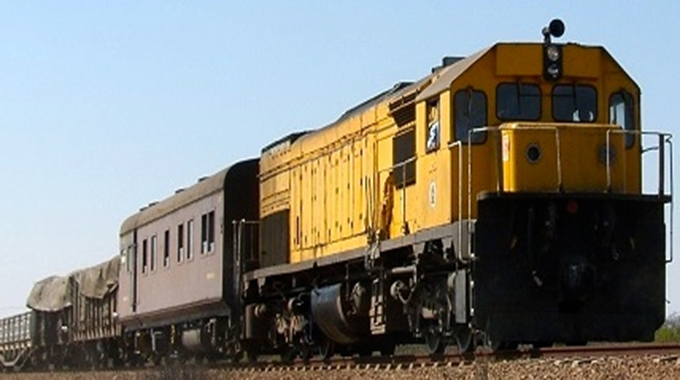
National Railways of Zimbabwe
“The open access initiative will result in the formulation of tripartite arrangements whereby private players with capacity will provide locomotives and wagons to move a proportion of cargo for NRZ customers. They will pay access and administration fees to NRZ,” Ms Zinyanduko said.
“This arrangement will result in NRZ providing timeous movement of traffic to and from the ports, therefore positively affecting quality service and efficiency to its customers, some of whom have had to resort to road usage,” she said.
She indicated that this will ease pressure on the roads as well as generate additional revenue for NRZ.
Added to that, the private capacity players will be restricted to using NRZ drivers and will have their locomotives and wagons serviced at the NRZ workshops, in the process adding more jobs.
“This arrangement will allow NRZ to pursue its recapitalisation initiatives while at the same time providing the much needed reliable service to its esteemed customers,” Ms Zinyanduko said.
NRZ has in recent years been knocking on the doors of many potential investors, pitching various investment projects in an attempt to modernise its services and operation
Lack of investment, mainly in freight wagons and the rail system, has negatively impacted NRZ over the past two decades, reducing its cargo-carrying capacity from an average of 18 million tonnes per annum in peak years in the late 1990s. The entity is targeting to increase the capacity of its freight from the current 2,5 million annually to 6,5 million by 2025 to ensure the entity optimally plays its role as a key economic enabler.
However, the strategic parastatal is on a recovery trajectory.
The new initiative is expected to improve NRZ operations and achieve stabilisation and growth in terms of its strategic plan document which has three stages.
Chronicle